San Junipero

A Dying Young Woman’s Hope in Cryogenics and a Future, New York Times

The women Kim in this article has been been diagnosed with cancer at a terribly young age and sadly died at the age of 23. Before She died her and her boyfriend were curious about preserving her brain. At the time interest in trying to discover mysteries of the brain was rising. They thought they if they froze Kim’s brain there could be a chance in the future of them reuniting. But the reunion would be through a computer and Kim would be alive in the computer with a possible simulated world where she could even feel again.

Trudy Barber, Falling in love in virtual reality could be a deeper experience than real life, The Conversation

This article speaks about the new prevalence and exploration of physical touch being implemented into virtual reality. Without touch it is very hard for people to have a relationship let alone a romantic one. According to the article a VR relationship can be more immersive and intense because the entire experience is just focused on the relationship. Also people are able to do things like live with each other while not physically being close.

Ben Rowen, The End of Forgetting, The Atlantic

Rowen writes about how important nostalgia is to humans. The way humans remember things is also changing. Before there was pictures and home videos taken on special occasions, now there are videos and pictures taken everyday. There are also sites online that allow people to look back their favorite websites that were around in the 90’s. Sites where music from a selected time period exist as well. VR headsets could be used to recreate old homes so the user can walk through their childhood and spark other memories.

Episode Analysis

In the episode a simulation world is creating where people can live in and experience all sensations. They can pick different time periods from the past and physically and emotional interact with real people. Older people that are in nursing homes are the main users of this device and it is used to keep their mind sharp. When the elderly people die they can decide to be put into the simulation forever or just pass away naturally. This can be related to Kim from the first article. If the technology comes around her consciousness could be put into a computer so she could communicate with her boyfriend again. Although it would probably take a lot of time to create a simulation as good as the episode it is being worked on and possible.
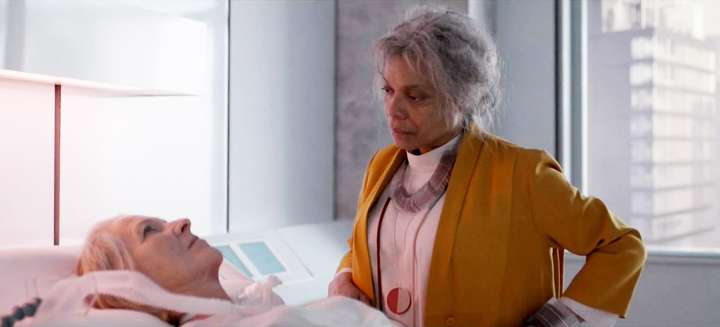
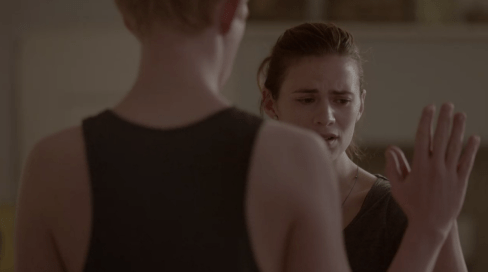
Yorkie and Kelly meeting for the first time in the real world. (Netflix.com)

If the VR experience is made as close to the episodes depiction as possible Trudy Barber’s article could have some truth behind it. If people find one another in this simulation like Kelly and Yorkie do the emotional attachment could be intensified. They meet in paradise and see each other in the absolute best way possible. The happiness shared will have no hardships of the real world and people will be able to focus on themselves and only themselves.

In Ben Rowens article Alzheimers is spoke about. Like in the episode the VR is used for fun but also to help people remember the past. An accurate VR of a persons past life could possibly help them if they are diagnosed with Alzheimers. It would also be amazing to be able to go back to the best experiences of a person life.
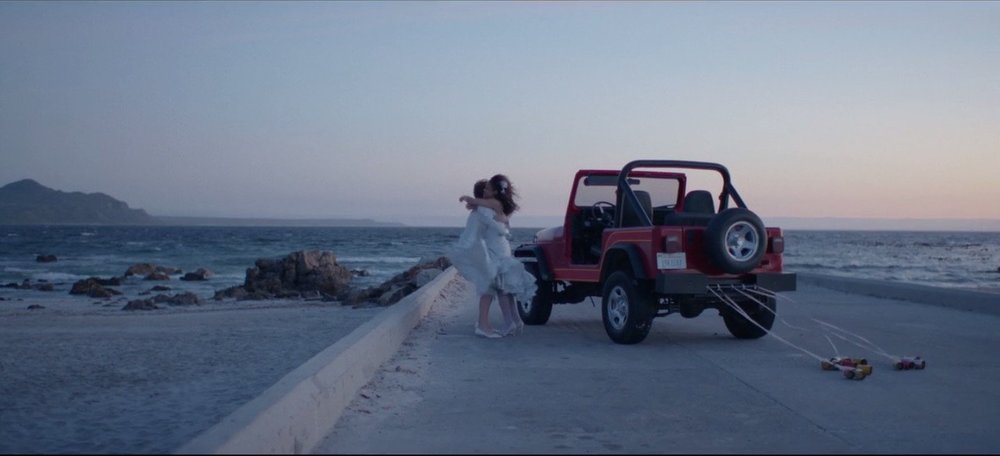
Image result for san junipero
Kelly and Yorkie in paradise forever (Netflix.com)

Questions

In the episode we see people that have been dead in the simulation for a long time and they act dull. If they happens to everyone is it ethical to leave people in there forever even though they feel nothing anymore?

Is it okay to allow someone to “quit” the simulation when they chose to be in it forever?


Be Right Back

Jo Bell, How the internet is changing the way we grieve, The Conversation

In this article by Jo Bell speaks about virtual living. After a loved one dies people go on sites like facebook and can fight there loss online. She says that virtual memories are taking over for physical objects during morning. People also have a virtual footprint that is left behind after death. Interests, pictures and videos are all saved which can help people morn deaths of loved ones.

Jean Baudrillard, Part 1 on Postmodernity, Purdue.edu

According to this article the postmodern world has become dull and without meaning. Its a consumers world that consumes everything including itself. Baudrillard says that the world is losing touch with what is real. The mass market products reduced all take humans away from what is real in the world.

Jean Baudrillard, Part 2 Simulation, Purdue.edu

This part explains how humans have lost touch with the difference reality and the simulacrum. Instead of buying things people need society has moved to buying things because of a commercial image. Baudrillard says this keeps people one step away from what is real in the world.

Annika Blau, Social Media and the Hyperreal, Medium.com

Blau brings up Baudrillard and tries to help explain what he writes about the simulation and simulacrum. She explains how pictures are part of a simulation and that we can tell the difference between a picture and the real thing. This is the lower order of simulacrum and in the higher order it becomes much more difficult to tell what is real and what is not.

Episode Analysis

This is one of the saddest episodes that black mirror has to offer because it all revolves around grief. After Ash dies Martha is absolutely heart broken and refers back to different ways of remembering him. Just like the article written by Bell, Martha is able to remember by txting ash that using all his online interactions to come up with a simulation of what he would actually say. This part of the episode is very weird because it seems like this could be done in todays society because everyone has so much about themselves on the internet.

Image result for be right back black mirror
Martha Waiting for “Ash” (Netflix.com)

Baudrillard’s articles relate to the episode in a different way then Bell’s. In the first part the article speaks about how people are losing touch with what is real in the world. This could not be more true for Martha. She is not to blame with terrible things happening to her but the company that sells the grieving service is more to blame. It seems so wrong to make money off of someones heartbreak and it is companies like this that consumes the consumer.

Image result for be right back black mirror
Martha meeting the new Ash (Netflix.com)

Ash is probably in the higher order of simulacrum. When the viewer and Martha first see him he is indistinguishable from the real Ash. But as time goes on Martha starts to realize that it is just not him and a copy of him. This reality might not be as far away as people think. VR is starting to become huge and the high quality VR look extremely real. Once they become indistinguishable from reality which reality is real?

Questions?

Do humans have a ethical responsibility to not create something so indistinguishable  from being real?

Could looking at social media profiles, messages and videos really help with grief or is it just prolonging the sadness?


The Entire History of You

Farhad Manjoo, ‘Right to Be Forgotten’ Online Could Spread, The New York Times

The “right to be forgotten” was a right given in Europe for citizen who thought they were being misrepresented on the internet. If older search topics from someone were skewing the results they receive people now have the right to make a request to search engines to delink previous material. One of the most important points of the article is that under this act information that was previously open to the public is now no longer accessible. free speech advocates are against this while others say that the claims against free speech are “overblown.”

Erkia Hayasaki, How Many of Your Memories Are Fake?, The Atlantic

This article speaks about how people need to asses their own memory. It was earlier in history thought that only about 20 or 30 percent of people were susceptible to creating false memories. In Hayasaki’s article this was proved wrong. People with highly superior memory were just as likely to people with normal memory to make things up. This makes the reader wonder what they have really seen.

Ira Hyman, How Social Networks Can Inflame Jealousy, Psychology Today

In this article Hyman discusses the relationship between jealousy in relationships and social media. No matter what people think of their previous partner pictures of them will always be online. Most people only post happy pictures from their relationship. If a current partner sees these pictures it could be very confusing and spark jealousy because all they see if their partner happy with someone else. 

Evan Selinger, The Technology Enhanced Memory, Slate

The “Extended Mind” theory is where we no longer use technology as a tool but it is actually part of our mind. There are many ethical concerns surrounding this such as being able to remember pain. This could impact the way we feel entirely about something such as child birth.

Episode Analysis

The right to be forgotten is almost the opposite of the world in this episode of Black Mirror. People are almost forced to have the memory chips in this world. With these you can not forget a thing. You and even other people are able to see your memories exactly as they were. This does not sound like a bad thing but just as there are good memories there are bad memories. Liam and Ffion loved each other and the viewer could tell that in the episode but the exact memories that Ffion had were to painful for Liam.

This could also relate to how social media can inflame jealousy in relationships. Just like Facebook Liam was able to see happy moments of Ffion with other people which enraged him. People in relationships today can definitely become jealous because of old pictures. Everyone knows someone who girlfriend or boyfriend made them take down old pictures.

Image result for the entire history of you
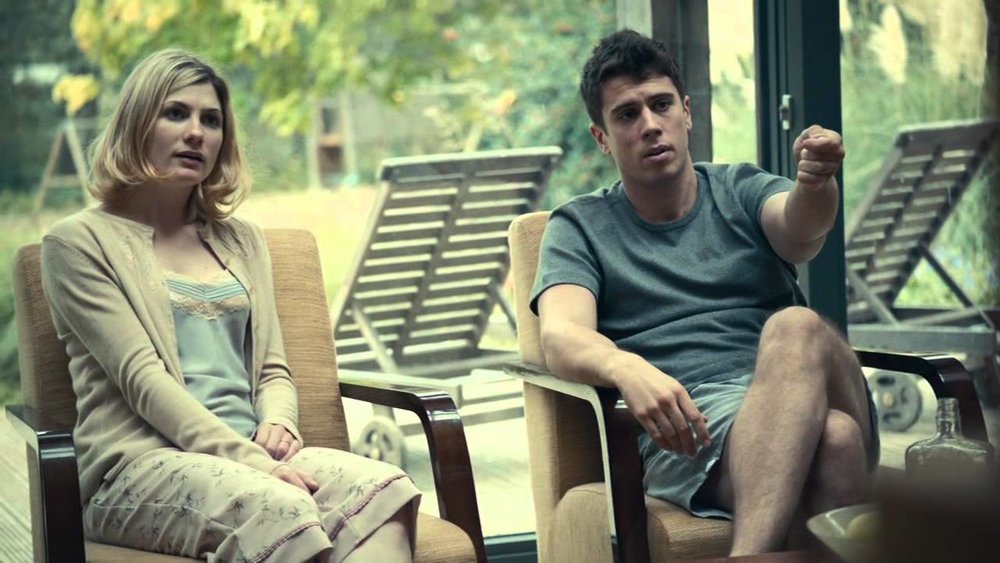
Liam about to show Ffion old memories (Netflix.com)

If Ffion and Liam were able to forget the things that happened a long time ago their relationship would still be together and they would still love each other. People creating fake memories is not necessarily a bad thing because they can use that to get rid of bad ones and create happy memories of someone. With the memory chip in Black Mirror people see how it is exactly and memories can not be made up.

In the Technology enhanced article ethical questions were raised surrounding the perfect memory. Liam and Ffion would go to bed and remember older relations between them instead of being real with each other. If people were able to do this it could damage relationship between everyone because people will always look to the past and not try and make a brighter future.

Image result for the entire history of you
Liam and Ffion focused on the past (Netflix.com)

Discussion Questions

What are the ethical ramifications regarding eye whiteness testimony now that we have research about how inaccurate our memory is?

Is it healthy for people to remember everything, even the bad memories in their life?

PlayTest

Sherry Turkle, alone together, Why we Expect More from Technology and Less from Each other, Basic Books

These stories especially the story with Ellen and her grandmother show how technology can be used to help connect people but the more people are connected the more alone people are. People eliminate the real communication in their life through smaller forms of quicker not face to face communications. It also speaks about how seductive virtual worlds are because they are always better than the real one. “Technology is seductive when what it offers meets our human vulnerabilities” is an important quote when relating to the episode.

Ryan Giordano, Digital Substance Abuse, Medium

This article speaks about how social media has changed over the years and how our behavior surrounding social media has changed. People have become addicted to the online world. People are always looking for ways to promote themselves as interesting individuals. Also,  people are always looking for validation from others on the social media to ensure that they are not outcasts. Social media has changed the way we share information and has even changed peoples perceived value of themselves. Ryan speaks about how he quit social media and this can also relate to the episode.

Brandon Ambrosino, Smartphones and our memories: Don’t take a picture. It’ll last longer, The Globe and Mail

Ambrosino’s article is mostly about how people are not living in the moment because of their smart phones. People learn and remember less from an experience whenever there is a smart phone involved. looking through the phone means we are not actually looking at the event but just looking at it as a memory already. A study was also used to show how taking pictures of things will make people more prone to forget things or experiences.

Antonio Regalado, The Entrepreneur with the $100 Million Plan to Link Brains to Computers, MITTechnology

This article speaks about neurotechnology and how it could be the next big thing coming out of silicon valley. This is quite far away but it is being worked on by many companies including Facebook. People will be able to share their experiences through their brain that is connected to a computer.

Episode Analysis

The viewer first sees the main character Cooper walking away from his home in Syracuse to travel the world. Throughout his journey his mother calls him and he never answers and just answers with a quick txt. She can reach him at any moment but their relationship has never been farther away. This is like Ellen and her Grandma. The smaller communication wins and real connection disappears. The quote in the first article “Technology is seductive when what it offers meets our human vulnerabilities” is very relatable to this episode as well. When Cooper starts taking the playtest he is completely amazed by the technology. He becomes exposed and vulnerable by its ability and ends up killing him.

Image result for playtest black mirror
Cooper exploring the world through his phone (netflix.com)

While Cooper is traveling the world he is constantly posting pictures of where he is and what he is doing. He is alone but looking for validation from others to help establish how cool he is. This is relatable to Ryan Giordano’s article and the article by Brandon Ambrosino. While Cooper is traveling the world he still constantly on his phone and not really experiencing the things he is doing to the best of his abilities. When cooper visits places the show does a good job of showing him looking at the places through the screen of his phone.

Regalado’s article is most relatable to this episode. It is said multiple times in the article how complicated the neurotechnology is and how far off it is. Playtest seems to be a little in the future but still shows how complicated it will be to connect the brain to technology. It has potential to be very real and mind blowing but could be dangerous if we do not know how the brain will react  to the technology.

Image result for playtest black mirror
Connected to the neurotechnology (Netlflix.com)

Discussion Questions

Should social media companies be responsible for any addictions because they know how addictive their product can be?

Should social media companies regulate how much a user can use their product or send warnings to them that they may be using it an unhealthy amount?

Tracking Your smartphone usage

I think that like most people today that I am addicted to my phone. Whenever I am not doing something I am usually looking at it just to pass the time. It always has something new and something to look at on it and it can be dangerous as you can find yourself going down a rabbit hole on any social media cite. Although I use it all the time and am probably addicted there is no better feeling than not using your phone for a long time. Whenever camping in the summer our phones do not work so it is such a nice break from it and you can notice a big difference in the way most people act if a phone is not an option. The biggest benefit to using my phone is probably access to information all the time. If you never know something for sure you always have your phone to help. The second largest benefit is a quick easy connection to friends and family. We are all a couple clicks away from them no matter how far geographically we are. Lastly the other benefit is never being bored. There is always something to read or watch right in your hands.

I very rarely post anything on social media. I only have six instagram posts since 2014 because I am usually not concerned with showing people my life. When I do post there is a weird feeling the hour after. I would be constantly checking to see how many people and who liked it. I can see why it is so important for many people to get likes and attention on their social media. It is such an instant gratification that many people feel important from their posts getting likes. On twitter the last time I retweeted something was June of last year and the things I retweet are just what I think are cool videos and do not really care if people like them or not.

Overall my phone usage was about what I expected. The moment app is scary because it is constantly sending notifications about how long and how many times you have been on your phone throughout the day. I would definitely like to cut back on my phone usage because I feel it is not really fixing the problem that it is trying to solve which is boredom. When I check my phone I am still bored and should be doing something more productive. The three days I tracked I think did not tell the whole picture of my phone usage. Whenever I am in a car I usually listen to podcasts and not music and I do not think moment tracked this. In my screen shots you can also see the home and lock screen time usage being around 25 mins which is interesting because it shows how much I am bored and just leave my phone on to check for notifications.

I think the scariest stat to break down here is phone pick ups. If we assume that I am awake for 16 hours of the day 400 pick ups is 25 per hour. This is almost one pick up every 2 and a half minutes. The best way for me to cut back on my phone usage would be to eliminate instagram. I use twitter for articles and news sometimes but instagram is just pretty dull. It is very rare that I am reading something on instagram of value. If you spent the time reading instead of looking at instagram most of us would be smarter people.

15 Million Merits

Melody Ann Ucros, 10 Sneaky Ways Companies Are Collecting Data to Understand Customers, 

Ucros writes about the many different ways companies can learn from there customers. Some of the most interesting way include a heat map of where users eyes go and where there mouse goes when visiting a page. This can help companies learn where to put ads so they are most effective. GPS tracking is also very interesting because stores can put advertisements or promotions on your phone when you are near their store.

PJ Patella-Rey, Incidental Productivity: Value and Social Media, The Society Pages

This article is about how social media can exploit each of its users. Patella-Rey uses Marx to help get his point across that labor do not need to be intentional. The article questions if ambient production qualifies as labor and answers it by saying that is does not meet Marx’s criteria for labor but instead is incidental productivity because people can not see what they are producing.

Steve Ranger, Inside the panopticon economy: The next internet revolution, privacy and you, ZDNet

Ranger writes about how our lives and internet lives are very different in some cases. People are creating accounts on the internet that are not their real selves but the better and more advanced the internet becomes the harder it is to keep those things separate. He says that this promises to make everyday actions into data points that can be monetized. The main point of the article is that in the future everything we do is a data point and can be used to determine many different things about our lives. For example Ranger says that if you watch documentaries instead of soap operas your health insurance might be less than the other person because you are probably more informed on how to stay healthy.

Thomas McMullan, What does the panopticon mean in the age of digital surveillance?, The Guardian

This Article relates how panopticons in the past are being used now on the internet and other surveillance devices. The only difference is that now people do not have the feeling that they are being constantly watched while on the internet or being surveilled in public. This is a very scary topic to think about because it is possible and likely that people are constantly being tracked because of how many cameras there are and how people are always on their phone.

Episode Analysis

The first article by Ucros can relate to the episode by the technology used in the episode and technology spoke about in the article. If the main character “Bing” is not watching the ads somehow the Monitors know that his eyes are not open or looking away. The heat tracking maps could be used in a similar way. If it can track where users eyes are it could possibly adjust ads on the fly to constantly be in front of the person looking at the screen.

Image result for 15 million merits
Bing being forced to watch Waith (Netflix.com)

In the episode Bing and all the other workers must ride their bikes everyday to collect merits. They seem to be trapped in this place and are being forced to ride. Although it seems they are being forced to ride they do not see anything that they are creating. All they see is what is collected from them and their merits slowly going up and down. They must be riding for something that they can not see. The company or world they are in must be using that energy somehow. Most people would consider this labor but Patella-Rey might argue differently. The bikers can not see and possibly do not even know what they are creating therefore they are not actually considered labor. The way Bing and everyone is riding their bikes could be an analogy for how people are just riding on the internet creating data and things for giant companies without even knowing it.

Rangers article is very interesting because he almost gets a part of the episode spot on. Every-time Bing or anyone in his situation does something data is being collected and the audience is able to see that in the way the merits are constantly being used up just by simply brushing teeth.

Image result for 15 million merits
Bing waking up around nothing real (Netflix.com)

The scariest and biggest mystery of the episode is where are these people? The real panopticons and digital ones spoke about in the McMullan are extremely prevalent in the episode. All the “workers” are being watched in there little cells and can not see who is watching them.

Discussion Questions

Is it unethical for big companies to take data we voluntarily are putting out there or is it just the reasonable thing to do?

Is the intangible aspect of everything in 15 million merits similar to this world or are we still a long way off?


Are our smartphones listening?

Day One:Wednesday, Feb. 20th

I decided to stick with the sample script because I do not talk about any of the things that are mentioned. I would never give u meat and also have never gotten anything from GNC for working out. I also do not ever get dominoes pizza. My roommate and I were sitting in our living room and I had instagram open while we read the script. We read through it 4 times as well as speaking about vitamin water at the end because it tied in with the sample script.

Follow-up Feb. 21st

Today I checked instagram when I woke up and saw no sponsored posts at all. I do not follow many people so it only takes about 30 seconds to catch up on my feed.

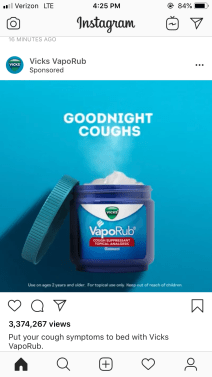
At around 4:20 I got out of class and checked instagram and saw a sponsor for Vicks VapoRub which is a cough suppressant which is interesting because I have been coughing a-lot recently.

IMG_0759

Day Two: Feb. 22nd

My roommate Ryan and I talked again today but we did not follow any of the sample scripts instead we spoke about jeans because I never wear jeans and do not even own a pair. We had this conversation 3 times in a row while instagram was open.

Me: I have been thinking about getting a pair of jeans this weekend.                                        Ryan: Sounds like a good idea. What kind are you going to get?                                                  Me: I was thinking American eagle or Levis.                                                                                    Ryan: Levis is a great brand with quality jeans.                                                                               Me: Yeah I’ m thinking about getting Levis because American eagle Jeans are not my style.

Follow Up Saturday Feb. 23rd

Last night was Friday night so I went out with some friends. When I woke up I checked instagram and once again there was no ads. Around 7:00pm I checked another time and saw an add for Blue moon beer. So even though I had no ads for jeans or Levi or American Eagle I did have an ad that could have been on my feed because my prior days activities.

IMG_0755

Day Three Feb. 24th

At around 5:00pm my roommate Kyle and I were in the living room and we read the Day two sample script 3 times while I had instagram open.

Also on this day I saw an ad for a ski mountain but I do watch ski videos on my laptop sometimes and follow accounts on instagram so that is probably an insignificant ad.

Follow Up February 25th

Today I was on instagram multiple times and noticed no sponsors of any significance. I have seen things such as a KFC ad and a candy ad which is weird because I have never had KFC and I also never talk about or eat candy.

Conclusion:

After this week I have found almost zero evidence of my phone listening to what I say and creating ads from it. The best piece of evidence for the phones listening is most likely the Blue Moon Ad but everything else seems to be just a coincidence. The skiing ad makes sense because I watch and follow skiing videos but the other ads I saw were not really what I am interested in. I think I do not use or follow enough pages on instagram for me to be the best subject because there is less data on me then a person that uses it more.


Hated in The Nation

Elle Hunt,What law am I breaking? How a Facebook troll came undone, The Guardian 

In this article a women is harassed on facebook about there tinder profiles caption. After she responds to the person that put her on facebook more people jump in with terrible comments attacking the women and shaming her. She take it to the the police and the main perpetrator. Alchin was the boy who was arrested and took online harassment way to far but he asked the question “What law am I breaking?” There should be some debate about that but since he threatened violence on the women he was most likely rightly prosecuted.

Gaia Vince, Evolution explains why we act differently online, BBC

In Gaia Vinces Article the way people interact with each other on the internet is spoke about. She says people seem to be reverting back to tribalism when they use the internet. People can say whatever they want with no consequences. There is also the reverse affect in where people must feel empowered and studies show that tweets with a moral or emotional word in it is more likely to be retweeted by 20%. The article also speaks about how women of minority groups are targeted online more than any other group of people. Multiple experiments were also set up to test how people act in certain situations. In most of the experiments there is always people that take advantage of the situation and this can also related to how people take advantage of online situations.

Kalev Leetaru, If Social Media Algorithms Control Our Lives Why Can’t They Eliminate Hate Speech?, Forbes

Leetaru questions why the algorithms used in social media can not ban or censor hate speech. They can be used for guiding people and almost forcing them into robots that just keep clicking and generate billions of dollars so why can’t they review all tweets or posts. The main reason is probably because it would restructure the very nature of social media and create a different and less profitable landscape.

Archie Bland, Internet trolls beware – these rules will separate the haters from the hapless, The Guardian 

Bland speaks about the circumstances surrounding what it takes for a post online to turn into a prosecution. Also consequences of what happens when someone is prosecuted for a post online. Are we becoming “a little less free?”

Ziad Reslan, It’s time for Facebook and Twitter to coordinate efforts on hate speech,  Ten Crunch

In this Article Section 230 is discussed which is the “bedrock for freedom of speech on the internet”. If it wasn’t for section 230 the huge social media sites surely would have been sued or prosecuted because of hate speech. Reslan also writes about how the companies should be monitoring on their own so regulation is not needed.

Hated in the Nation Analysis

In the episode social media threats are taken to a whole new level. Once someone is tweeted about that has done something or said something which most people see as moral they are targeted online with death threats. The person with the most mentions during the day is killed by autonomous drone insects.(ADI’s)

In the What law am I breaking? article Alchin was arrested for his violent speech directed at the young women. Should all of the people who directed violence towards Jo Powers or Tusk be held accountable for what they said even though they had nothing to do with it? Archie Bland also wonders if people are less free if they are now prosecuted for what they say. Especially if its online and as shown in the episode what people say online is much different than what they would actually do.

The episode can also relate to the Gaia Vince article. The tribalism she speaks about is in full affect. Once one person is threatened the whole internet jumps into to show that they are against the immoral person. The tribalism can relate to the real world now everyone is keen to show that they are good people and on the good side of an argument.


Image result for hated in the nation tusk
One of the AID’s which killed Jo Powers and Tusk (Netflix.com)


Leetaru and Reslan’s Article are very similar in the way they talk about how social media networks could start monitoring and silencing hate speech. If the companies were able to do this in the episode all of the people would not have been killed. In society people things like this could happen. If someone is the target of online hate speech all it takes is for one extremely ill willed person to do something.

Section 230 is also discussed in Reslan’s article. Some people could argue that Facebook and Twitter should be accountable for some of the things people say on their sites. Should the company in-charge of the bees be held accountable for their bees actions even though someone else was controlling them.

Image result for hated in the nation tusk
The investigative team and the bee controllers (Netflix.com)

Discussion Questions

Is it ethical to prosecute someone for what they said online even though most things people say are not what they would do in person?

Should the government or social media companies monitor and ban speech even if the speech is not pushing violence against someone?


White Bear Blog Post

Eric Anderson, Why good people stand by and let bad things happen, The Globe and Mail

In this Article Eric Anderson discusses the bystander effect which is how people do not react and help when something wrong is taking place. People will stand by and watch a girl be raped and not do anything. People will also stand by and take pictures of a man who has fallen into the sub way tracks right before the train comes. As the article discusses further the bystander effect can be positive. Anderson says that the more dangerous a situation is and the higher the consequences are the bystander effect seems to disappear an uses flight united 93 as an example.

Scott Simon, Some Judges Prefer Public Shaming To Prison, NPR Weekend Edition

Scott Simon and various guests speak about alternative punishments to prison and their purpose. The reason Prison was created was to shame people and it is known now that prison just makes criminals do more criminal acts and is ineffective. An alternative to this would be public shaming such as shoveling manure or sleeping in a dog kennel. One of Simons guest Turley says that these undermine the “character of justice”  because the people that public shaming is usually done on are people who would not go to jail in the first place. In the end most people agree prison and punishment need to change but outlandish punishments are unnecessary and could be dangerous to society.

Molly Fosco, Is Our Obsession With True Crime MorallyIrresponsible? The Huffington Post

Molly Fosco Speaks about how people are obsessed with true crime television shows. Viewers are obsessed with the examination of the human mind and how these killers are so similar but so different from normal people. Fosco suggests that the reason we are obsessed with the true crime is because we are interested in how the criminal justice system works and its flaws.

Episode Analysis White Bear

Image result for white bear black mirror
Symbol of the White Bear.(img. Netflix.com)

The main character of this episode wakes up and does not remember who she is. She then goes along with her day as hunters try and kill her and she is just watched and recorded by the public as she is chased and tortured by the hunters. Victoria is the main character and is actually being punished for a crime she committed. Her sentence was to go through this experience everyday to punish and shame her for her crime. Although Victoria did not actually commit the crime she is being punished for she recorded it and is probably more guilty of the bystander effect than being an evil person. Although the consequences of the little girl being killed were so high Victoria probably did not act because she had no group around her. Also, since she was not actively committing the crime she disassociated with responsibility with it.

The way Victoria was punished was not only to torture her and make her feel the terror the girl must of felt but also humiliate her by parading her around the streets after the day was done. The public shaming part of the punishment seems to be ethically okay because she remembers who she is and is reminded what she has done. The day where she is chases around is not ethical and should not be aloud. Since she does not remember who she is, she is should not be considered the same person as before and is being tortured for no reason.

Image result for white bear black mirror
Victoria running for her life as everyone watches (img. Netflix.com)

Discussion Questions

Should people guilty of watching a crime be just as guilty as the person committing it?

Is Victoria actually being punished if her memory gets whipped everyday?

The National Anthem

Tiffany Watt Smith, The secret joys of schadenfreude, The Guardian

In this article Watt Smith discusses the human trait of schadenfreude. Schadenfreude is the pleasure one gets after some one else’s misfortune.It may seem like a feature only evil or unpleasant people have but Watt Smith argues that almost all humans have it. People always want to see their neighbors fail as mush as their enemies. In politics today there is no bigger win for a party than the failure of the other. At the end of the article Watt Smith speaks about how schadenfreude appears anti social but is actually the opposite. It shows how humans need another when they experience a failure in life. This yearning creates more communication between people but it should also be noted that schadenfreude is not good but people must learn that it is real in order to operate in this world.

Peter Holley, These protesters wanted to humiliate ‘Emperor’ Trump. So they took off his clothes, The Washington post

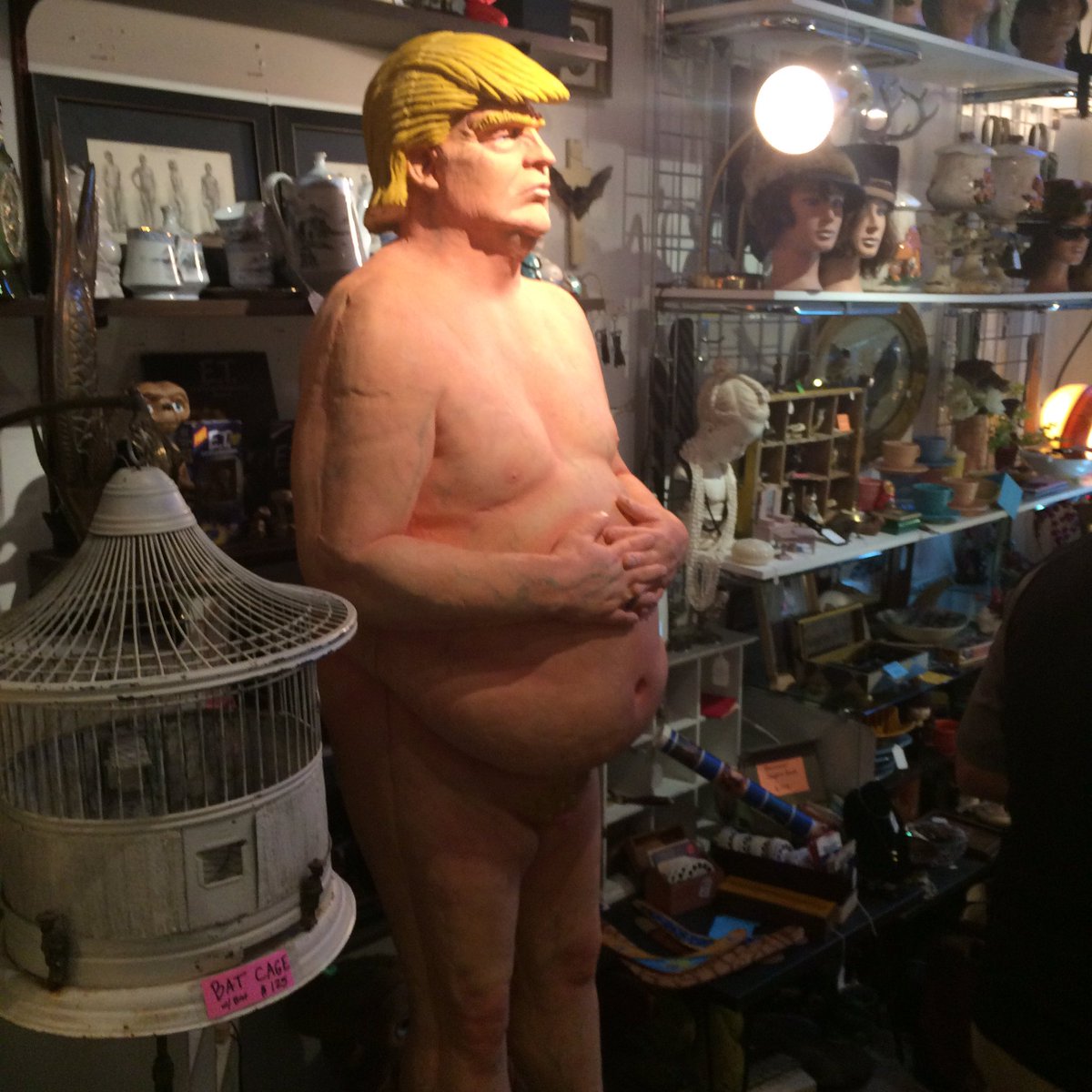
An anarchist group INDECLINE put together five life size naked statues of President Trump. The statue was meant to embarrass the seemingly untouchable President. Eventually the statue was taken down and a message was sent across to the people that the President is disgusting and some groups of people are trying to stand up to him.

One of the statues saved by a shop owner. (Twitter.com/Aamykatehorn)

Episode Analysis

The National Anthem on the surface looks to be more about embarrassing the British Prime minister in a similar way that INDECLINE did to the President. The Prime Minister (Michael Callow) is put out for all to see in one of the most embarrassing ways possible. But this was not done by terrorist group, enemies of the state, or rival party extremist. It was done by an artist who was trying to be saying more about society with the way he went about the situation.

Watt Smiths Article perfectly relates to this episode. The way she argued that everyone has the trait of  schadenfreude even if they are good people. Throughout the episode the viewer is shown multiple people with different outlooks about the situation. Some people feel terrible for Callow, some are disgusted about the situation and some are delighted. In the end of the episode the streets are completely empty and everyone in the country is watching the event. The people that said they were disgusted and would not watch the event were all watching it.

Not only does this show how people like to see others misfortunes but also humans need to conform. Everyone is watching and if a character does not want to watch others were making fun of them and making them feel bad for not watching. Many people have a fear of missing out on an event and this is one of the biggest event in British history. People could not miss out on history in order to say they were there so they would not be ridiculed by others.

Image result for the national anthem (season 1 episode 1)
Callow Prepares for his task (img. Netflix.com)

Holley’s Article could relate to the episode in a different way. No matter what the President does or says, he always has his base supporters and they do not leave him. In fact it often grows when he does something most would consider inappropriate. After the Callow performs his act it does not damage his career in fact it almost helps increase his popularity.

Questions

Does social media increase our need to feel connected and see everything that happens in the world just like people could not miss out on the Prime Ministers act?

If the country found out that the princess was released before the event would public opinion of the prime minister and the government change?