Elle Hunt,What law am I breaking? How a Facebook troll came undone, The Guardian
In this article a women is harassed on facebook about there tinder profiles caption. After she responds to the person that put her on facebook more people jump in with terrible comments attacking the women and shaming her. She take it to the the police and the main perpetrator. Alchin was the boy who was arrested and took online harassment way to far but he asked the question “What law am I breaking?” There should be some debate about that but since he threatened violence on the women he was most likely rightly prosecuted.
Gaia Vince, Evolution explains why we act differently online, BBC
In Gaia Vinces Article the way people interact with each other on the internet is spoke about. She says people seem to be reverting back to tribalism when they use the internet. People can say whatever they want with no consequences. There is also the reverse affect in where people must feel empowered and studies show that tweets with a moral or emotional word in it is more likely to be retweeted by 20%. The article also speaks about how women of minority groups are targeted online more than any other group of people. Multiple experiments were also set up to test how people act in certain situations. In most of the experiments there is always people that take advantage of the situation and this can also related to how people take advantage of online situations.
Kalev Leetaru, If Social Media Algorithms Control Our Lives Why Can’t They Eliminate Hate Speech?, Forbes
Leetaru questions why the algorithms used in social media can not ban or censor hate speech. They can be used for guiding people and almost forcing them into robots that just keep clicking and generate billions of dollars so why can’t they review all tweets or posts. The main reason is probably because it would restructure the very nature of social media and create a different and less profitable landscape.
Archie Bland, Internet trolls beware – these rules will separate the haters from the hapless, The Guardian
Bland speaks about the circumstances surrounding what it takes for a post online to turn into a prosecution. Also consequences of what happens when someone is prosecuted for a post online. Are we becoming “a little less free?”
Ziad Reslan, It’s time for Facebook and Twitter to coordinate efforts on hate speech, Ten Crunch
In this Article Section 230 is discussed which is the “bedrock for freedom of speech on the internet”. If it wasn’t for section 230 the huge social media sites surely would have been sued or prosecuted because of hate speech. Reslan also writes about how the companies should be monitoring on their own so regulation is not needed.
Hated in the Nation Analysis
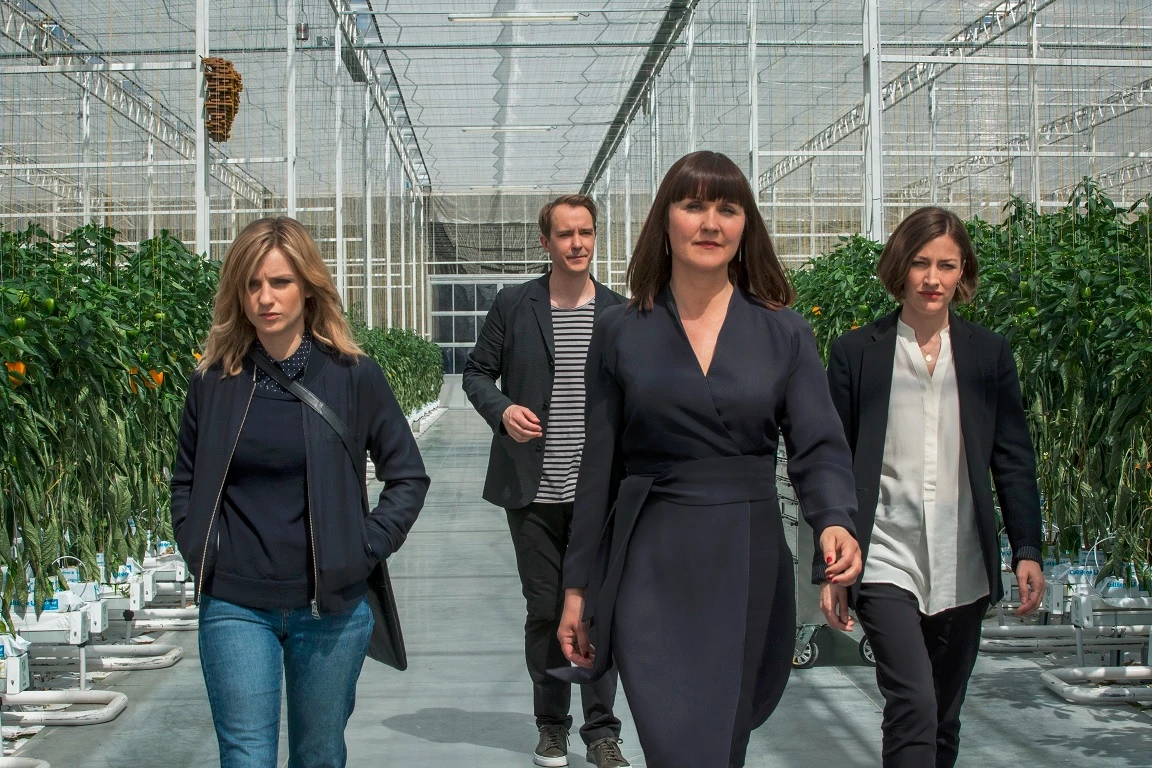
In the episode social media threats are taken to a whole new level. Once someone is tweeted about that has done something or said something which most people see as moral they are targeted online with death threats. The person with the most mentions during the day is killed by autonomous drone insects.(ADI’s)
In the What law am I breaking? article Alchin was arrested for his violent speech directed at the young women. Should all of the people who directed violence towards Jo Powers or Tusk be held accountable for what they said even though they had nothing to do with it? Archie Bland also wonders if people are less free if they are now prosecuted for what they say. Especially if its online and as shown in the episode what people say online is much different than what they would actually do.
The episode can also relate to the Gaia Vince article. The tribalism she speaks about is in full affect. Once one person is threatened the whole internet jumps into to show that they are against the immoral person. The tribalism can relate to the real world now everyone is keen to show that they are good people and on the good side of an argument.

Leetaru and Reslan’s Article are very similar in the way they talk about how social media networks could start monitoring and silencing hate speech. If the companies were able to do this in the episode all of the people would not have been killed. In society people things like this could happen. If someone is the target of online hate speech all it takes is for one extremely ill willed person to do something.
Section 230 is also discussed in Reslan’s article. Some people could argue that Facebook and Twitter should be accountable for some of the things people say on their sites. Should the company in-charge of the bees be held accountable for their bees actions even though someone else was controlling them.
Discussion Questions
Is it ethical to prosecute someone for what they said online even though most things people say are not what they would do in person?
Should the government or social media companies monitor and ban speech even if the speech is not pushing violence against someone?

 Black Mirror Blogs