Tiffany Watt Smith, The secret joys of schadenfreude, The Guardian
In this article Watt Smith discusses the human trait of schadenfreude. Schadenfreude is the pleasure one gets after some one else’s misfortune.It may seem like a feature only evil or unpleasant people have but Watt Smith argues that almost all humans have it. People always want to see their neighbors fail as mush as their enemies. In politics today there is no bigger win for a party than the failure of the other. At the end of the article Watt Smith speaks about how schadenfreude appears anti social but is actually the opposite. It shows how humans need another when they experience a failure in life. This yearning creates more communication between people but it should also be noted that schadenfreude is not good but people must learn that it is real in order to operate in this world.
Peter Holley, These protesters wanted to humiliate ‘Emperor’ Trump. So they took off his clothes, The Washington post
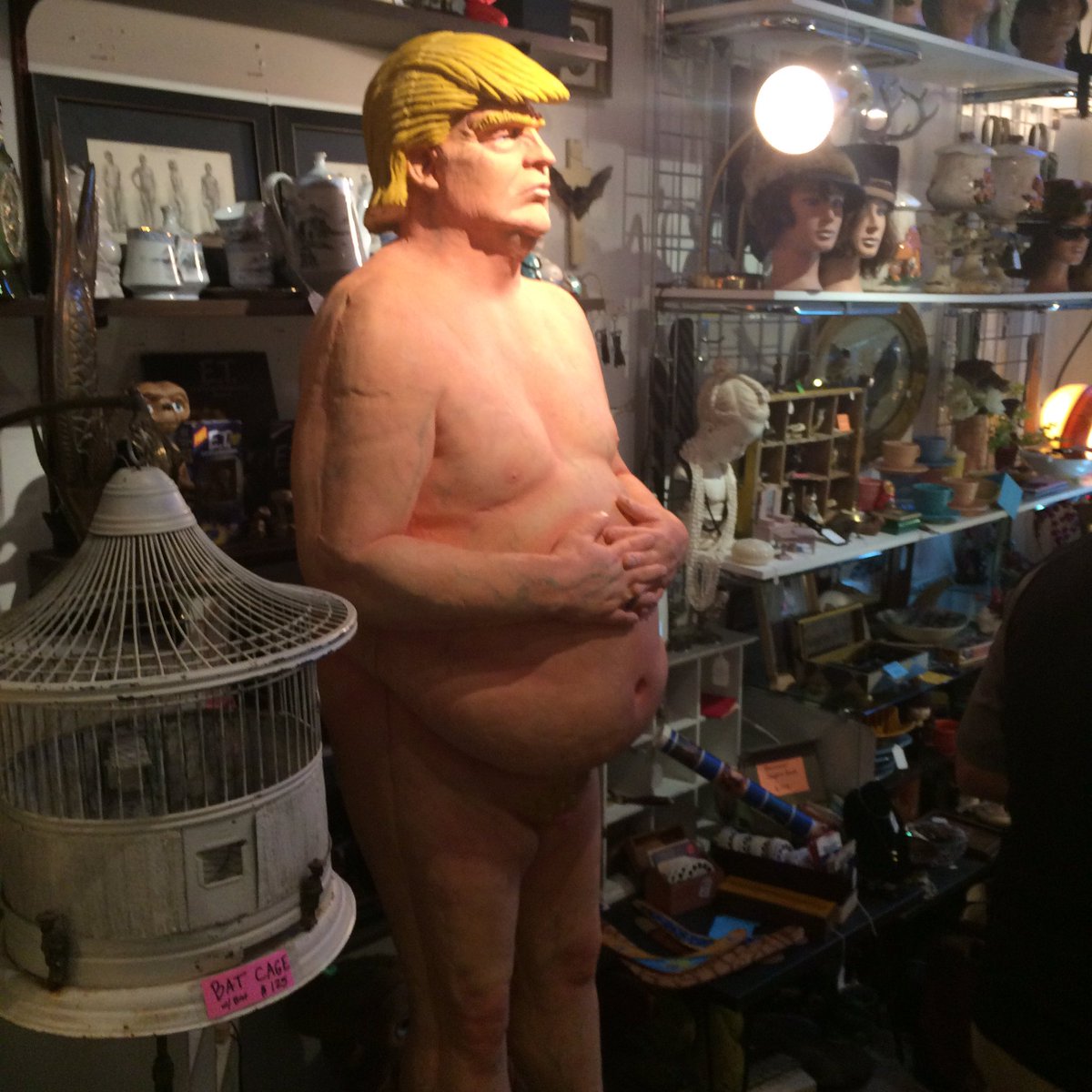
An anarchist group INDECLINE put together five life size naked statues of President Trump. The statue was meant to embarrass the seemingly untouchable President. Eventually the statue was taken down and a message was sent across to the people that the President is disgusting and some groups of people are trying to stand up to him.
Episode Analysis
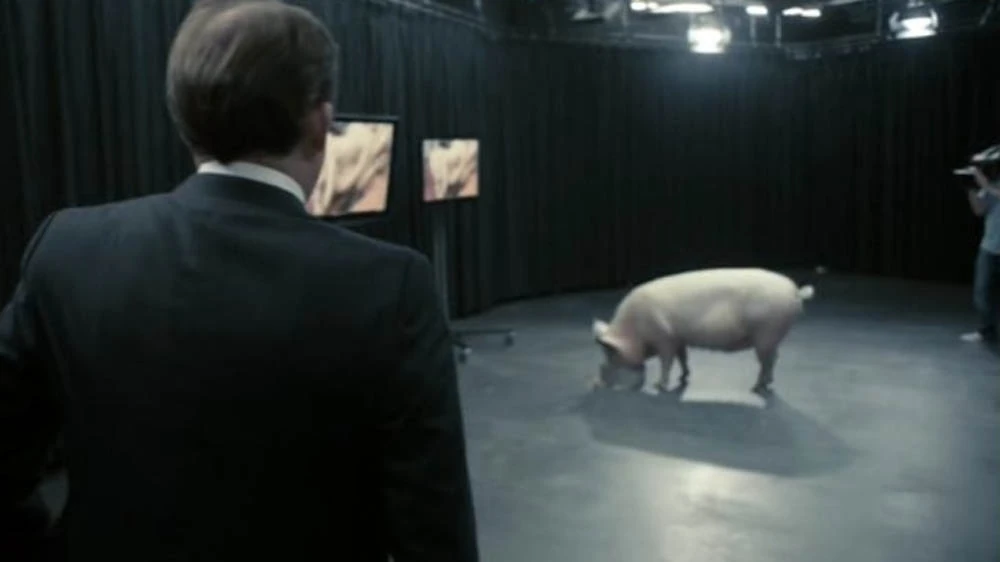
The National Anthem on the surface looks to be more about embarrassing the British Prime minister in a similar way that INDECLINE did to the President. The Prime Minister (Michael Callow) is put out for all to see in one of the most embarrassing ways possible. But this was not done by terrorist group, enemies of the state, or rival party extremist. It was done by an artist who was trying to be saying more about society with the way he went about the situation.
Watt Smiths Article perfectly relates to this episode. The way she argued that everyone has the trait of schadenfreude even if they are good people. Throughout the episode the viewer is shown multiple people with different outlooks about the situation. Some people feel terrible for Callow, some are disgusted about the situation and some are delighted. In the end of the episode the streets are completely empty and everyone in the country is watching the event. The people that said they were disgusted and would not watch the event were all watching it.
Not only does this show how people like to see others misfortunes but also humans need to conform. Everyone is watching and if a character does not want to watch others were making fun of them and making them feel bad for not watching. Many people have a fear of missing out on an event and this is one of the biggest event in British history. People could not miss out on history in order to say they were there so they would not be ridiculed by others.
Holley’s Article could relate to the episode in a different way. No matter what the President does or says, he always has his base supporters and they do not leave him. In fact it often grows when he does something most would consider inappropriate. After the Callow performs his act it does not damage his career in fact it almost helps increase his popularity.
Questions
Does social media increase our need to feel connected and see everything that happens in the world just like people could not miss out on the Prime Ministers act?
If the country found out that the princess was released before the event would public opinion of the prime minister and the government change?

 Black Mirror Blogs