Farhad Manjoo, ‘Right to Be Forgotten’ Online Could Spread, The New York Times
The “right to be forgotten” was a right given in Europe for citizen who thought they were being misrepresented on the internet. If older search topics from someone were skewing the results they receive people now have the right to make a request to search engines to delink previous material. One of the most important points of the article is that under this act information that was previously open to the public is now no longer accessible. free speech advocates are against this while others say that the claims against free speech are “overblown.”
Erkia Hayasaki, How Many of Your Memories Are Fake?, The Atlantic
This article speaks about how people need to asses their own memory. It was earlier in history thought that only about 20 or 30 percent of people were susceptible to creating false memories. In Hayasaki’s article this was proved wrong. People with highly superior memory were just as likely to people with normal memory to make things up. This makes the reader wonder what they have really seen.
Ira Hyman, How Social Networks Can Inflame Jealousy, Psychology Today
In this article Hyman discusses the relationship between jealousy in relationships and social media. No matter what people think of their previous partner pictures of them will always be online. Most people only post happy pictures from their relationship. If a current partner sees these pictures it could be very confusing and spark jealousy because all they see if their partner happy with someone else.
Evan Selinger, The Technology Enhanced Memory, Slate
The “Extended Mind” theory is where we no longer use technology as a tool but it is actually part of our mind. There are many ethical concerns surrounding this such as being able to remember pain. This could impact the way we feel entirely about something such as child birth.
Episode Analysis
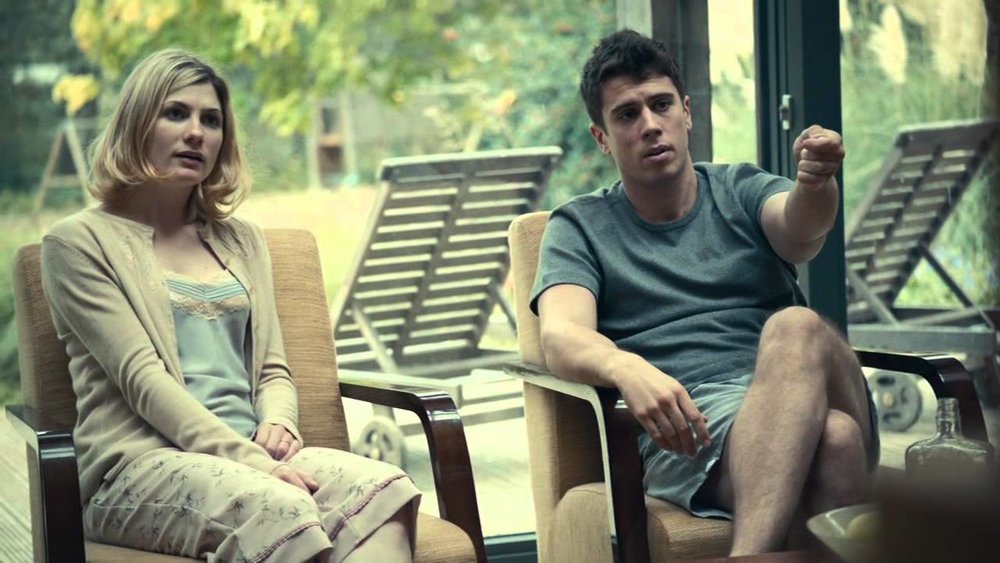
The right to be forgotten is almost the opposite of the world in this episode of Black Mirror. People are almost forced to have the memory chips in this world. With these you can not forget a thing. You and even other people are able to see your memories exactly as they were. This does not sound like a bad thing but just as there are good memories there are bad memories. Liam and Ffion loved each other and the viewer could tell that in the episode but the exact memories that Ffion had were to painful for Liam.
This could also relate to how social media can inflame jealousy in relationships. Just like Facebook Liam was able to see happy moments of Ffion with other people which enraged him. People in relationships today can definitely become jealous because of old pictures. Everyone knows someone who girlfriend or boyfriend made them take down old pictures.

If Ffion and Liam were able to forget the things that happened a long time ago their relationship would still be together and they would still love each other. People creating fake memories is not necessarily a bad thing because they can use that to get rid of bad ones and create happy memories of someone. With the memory chip in Black Mirror people see how it is exactly and memories can not be made up.
In the Technology enhanced article ethical questions were raised surrounding the perfect memory. Liam and Ffion would go to bed and remember older relations between them instead of being real with each other. If people were able to do this it could damage relationship between everyone because people will always look to the past and not try and make a brighter future.
Discussion Questions
What are the ethical ramifications regarding eye whiteness testimony now that we have research about how inaccurate our memory is?
Is it healthy for people to remember everything, even the bad memories in their life?

 Black Mirror Blogs